


Tesla Body Repairs

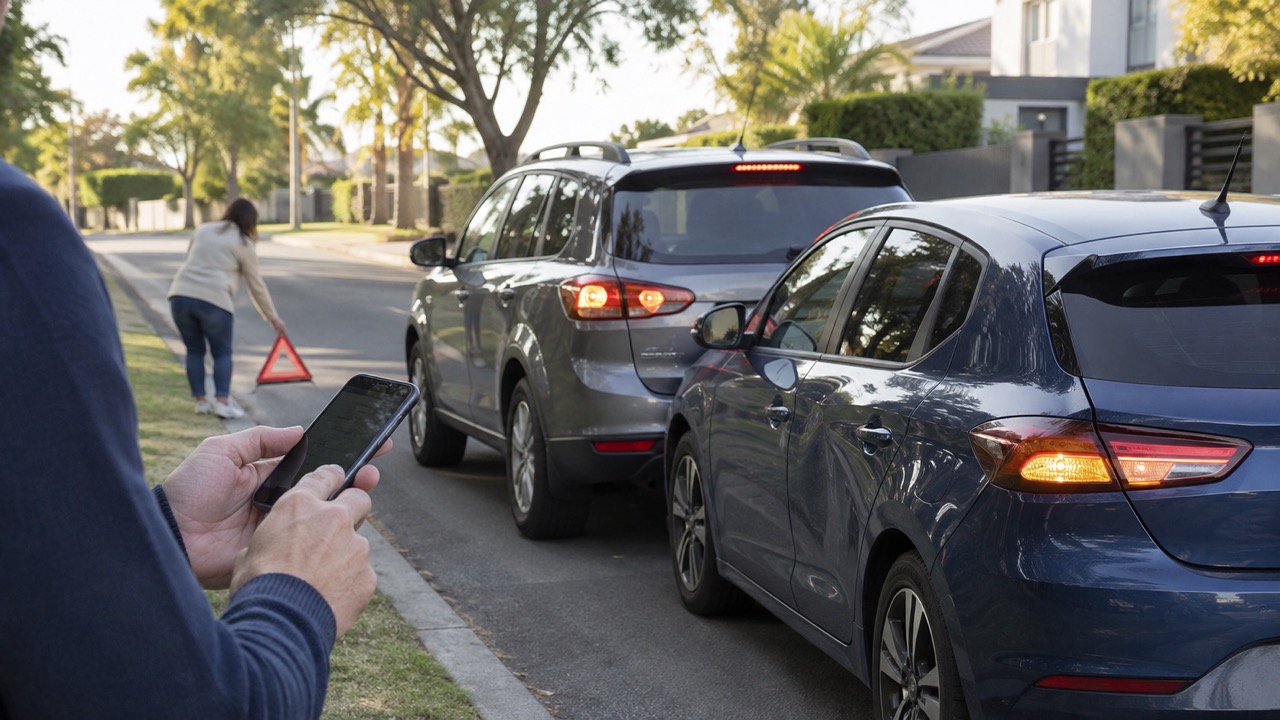
Your immediate priority is ensuring the safety of yourself, your passengers, and other road users. If your vehicle is driveable and you're not injured, carefully move it out of traffic to the side of the road or a nearby safe area. Turn on your hazard lights to alert other drivers, and turn off your engine to prevent fire risk.
If your vehicle cannot be safely moved, or if anyone is injured, remain in your vehicle with seatbelts fastened and call emergency services (000) straight away. Do not attempt to move injured passengers. Once you've confirmed everyone is safe and emergency services are on the way if needed, take a moment to breathe—staying calm will help you handle the next steps more effectively.
If there are injuries, significant damage, or the other driver is uncooperative, call the police on 000. Even for minor accidents, it's wise to contact the non-emergency police line to file a report, as this creates an official record that helps with insurance claims. Ask the attending officer for the incident report number.
While waiting for police or immediately after ensuring safety, begin documenting the scene. Use your phone to take clear photos of all vehicle damage from multiple angles, the accident scene, road conditions, traffic signs, and any visible injuries. Capture wide shots showing vehicle positions and close-ups of damage. This visual evidence is invaluable for your insurance claim and repair process.
Exchange details with the other driver(s) involved. Collect their name, phone number, address, driver's licence number, vehicle registration, insurance company name, and policy number. If there are witnesses, politely ask for their contact details and a brief account of what they saw. Write this information down clearly—don't rely on memory.
Take photos of the other driver's licence, registration plate, and insurance documents. Note the time, date, location, weather conditions, and road conditions. Get the police report number and the name of the attending officer. All this information will be essential when you contact your insurer and when you bring your vehicle to Cathcart Smash Repairs for assessment and repair.
Within the first hour, contact your insurance provider to report the accident. Many insurers have 24/7 claims lines. Provide them with the police report number, photos, and all the information you've gathered. Your insurer will guide you on next steps and may recommend approved repairers. Be honest and detailed—rushing this conversation often leads to claim delays.
If your vehicle isn't safe to drive, arrange towing immediately. At Cathcart Smash Repairs, we offer 24/7 towing and roadside assistance across Bendigo, Greater Bendigo, Castlemaine, and Heathcote. Contact us once you've reported to your insurer, and we'll coordinate with your insurance company to have your vehicle transported safely to our workshop for a thorough damage assessment and repair planning.
Designed & Developed by CJ Digital